Focused roof repair
Damaged covering, flashing or a boot can be repaired when adjoining material and the underlying deck support the work.
Discuss storm repairs
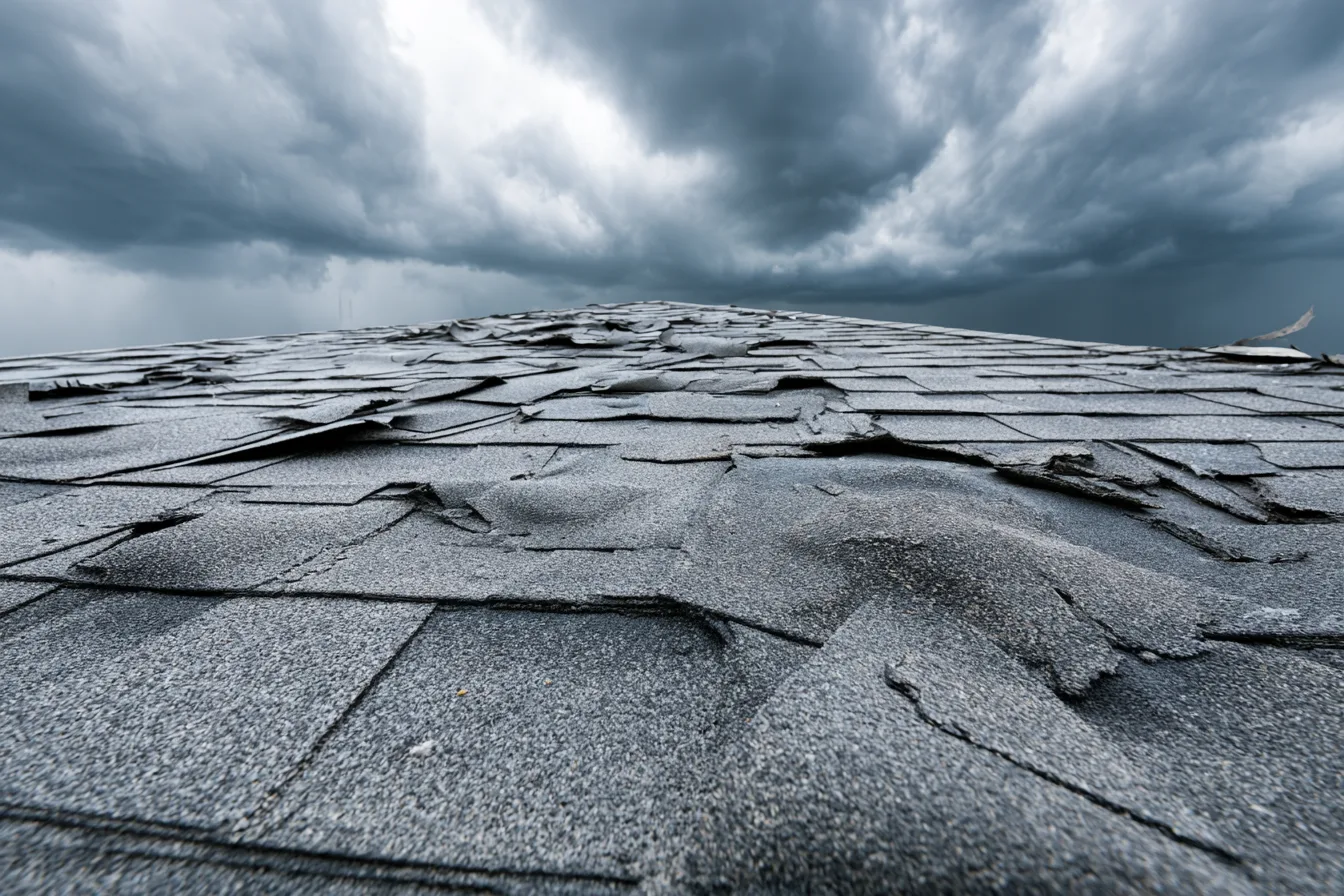
Get the roof checked after wind, hail or a storm-related leak. Repair scope starts with what happened to the roof.
A shingle on the lawn or new water inside is a reason to have the roof checked. Wind can lift or crease shingles and expose the layers beneath them. Hail can affect the covering and metal details without leaving an obvious opening visible from the ground. We look at the roof and its connections before deciding what needs repair.
A nearby hail report is useful context, but it does not prove damage at the property or date every mark on the roof. Roof condition, prior repairs and the actual findings matter. Tell us about the storm and what changed; you do not need to climb up for a closer look.
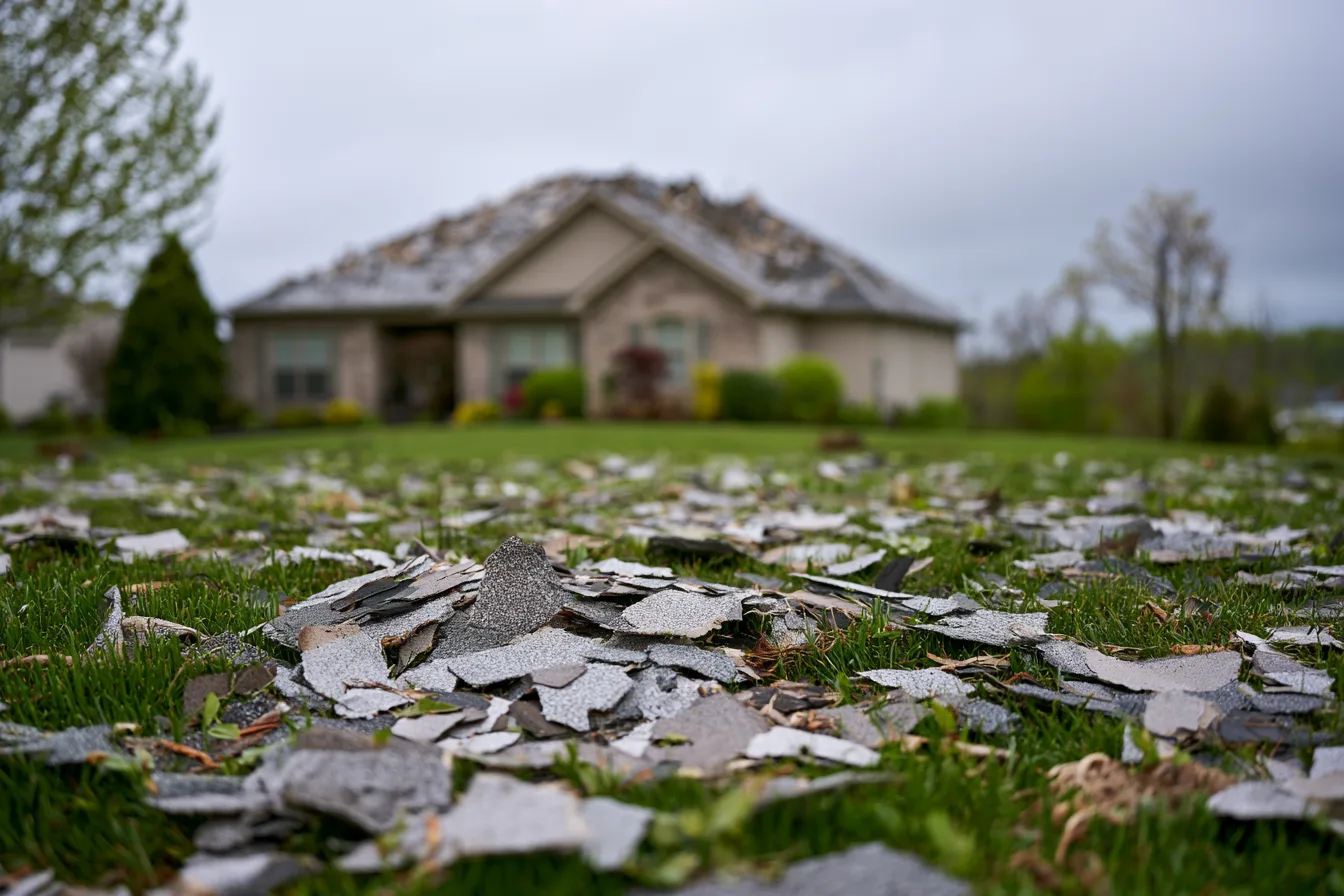
The work follows the damage and the material available for a sound connection. A handful of loose shingles on workable roofing is not the same job as damage across several slopes.
Damaged covering, flashing or a boot can be repaired when adjoining material and the underlying deck support the work.
Discuss storm repairsBroader damage or deteriorated roofing can require more extensive work, including decking revealed during tear-off.
Review replacement scopeIf water is entering, call and say so. Keep people away from wet electrical fixtures, sagging ceilings and unstable roof areas.
Check covering, connections and visible failure areas, with safe access appropriate to the conditions.
Separate a limited repair from replacement and explain underlying conditions that change the scope.
The insurer decides what the policy covers. Roofing findings inform the work; they do not guarantee a claim payment.
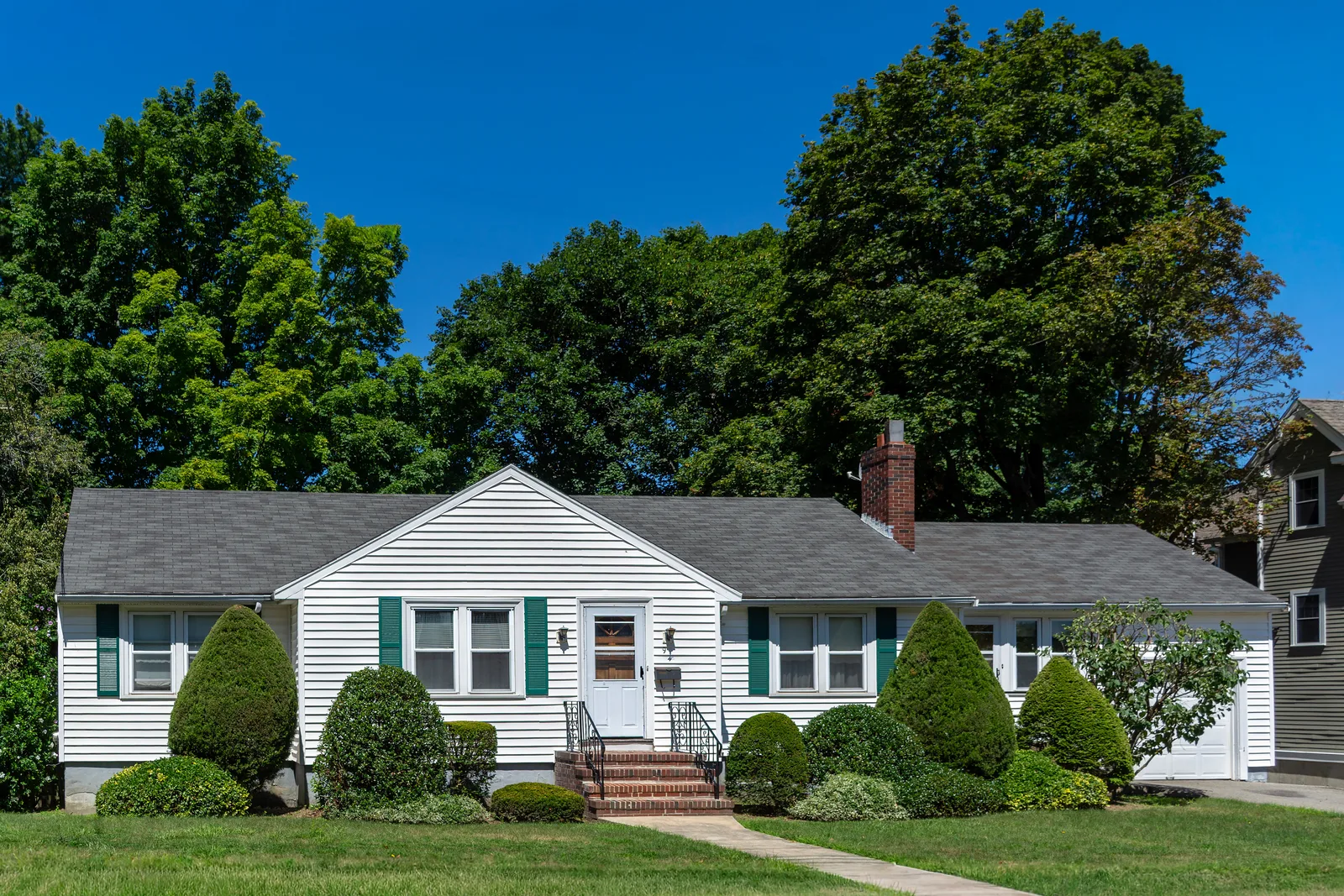
Say what changed after the storm and whether water is entering. A free roof inspection helps connect the damage to the repair the roof needs.