Replacement scope
Covering, deck condition, flashing and ventilation belong in the same job.
Roof replacement
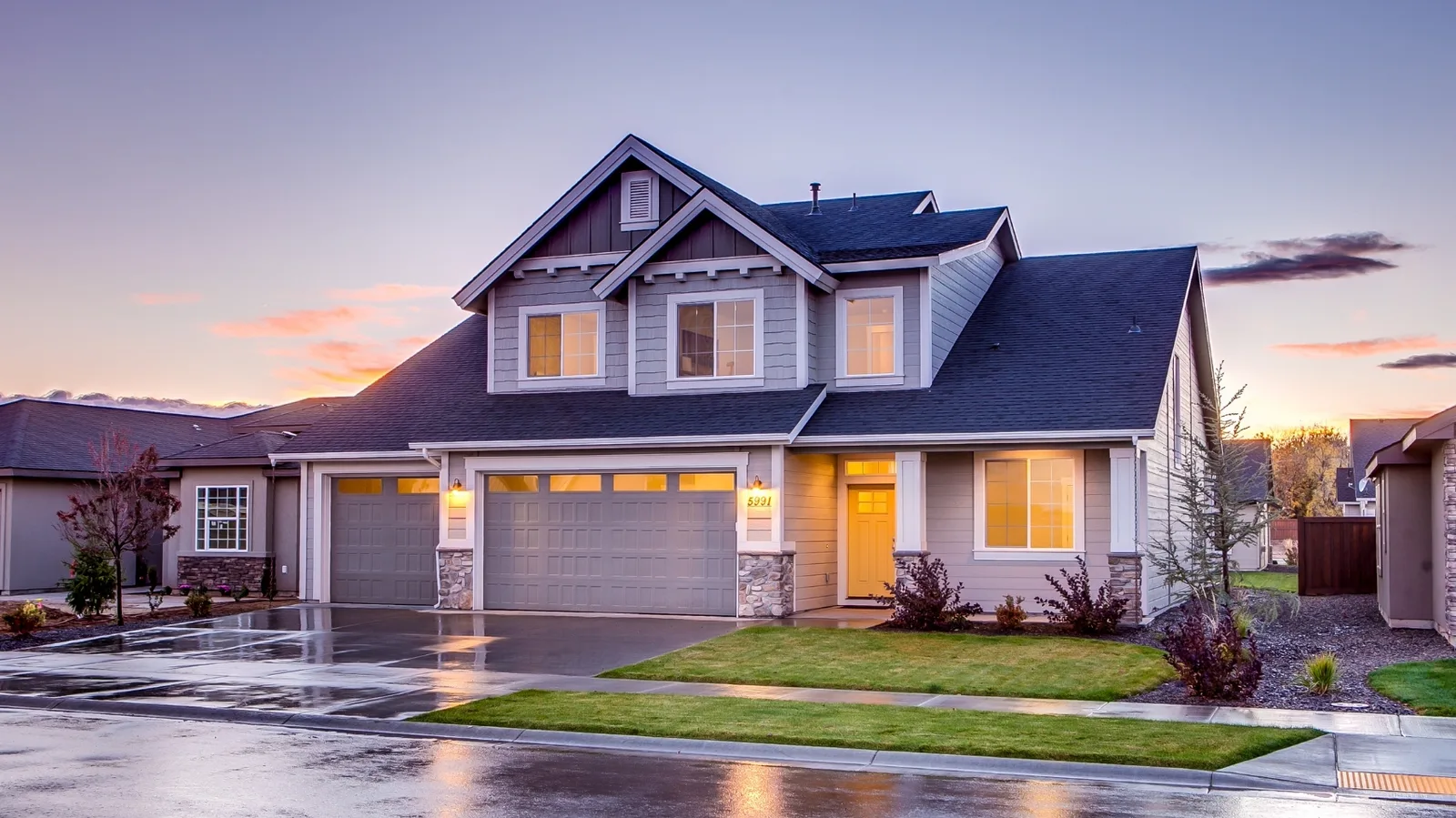
Start with the roof problem. Find the service that fits a leak, an aging roof, storm damage or a commercial building.
A leak repair, a roof replacement and a storm inspection can start with the same ceiling stain. They do different jobs. Repair addresses a limited failure; replacement renews the roof system; inspection identifies what is actually happening before that scope is chosen.
We help with the covering and its connections, including flashing, ventilation and roof penetrations. For an occupied commercial building, the membrane, insulation and drainage deserve their own plan. A free inspection is a practical next step when the right service is still uncertain.
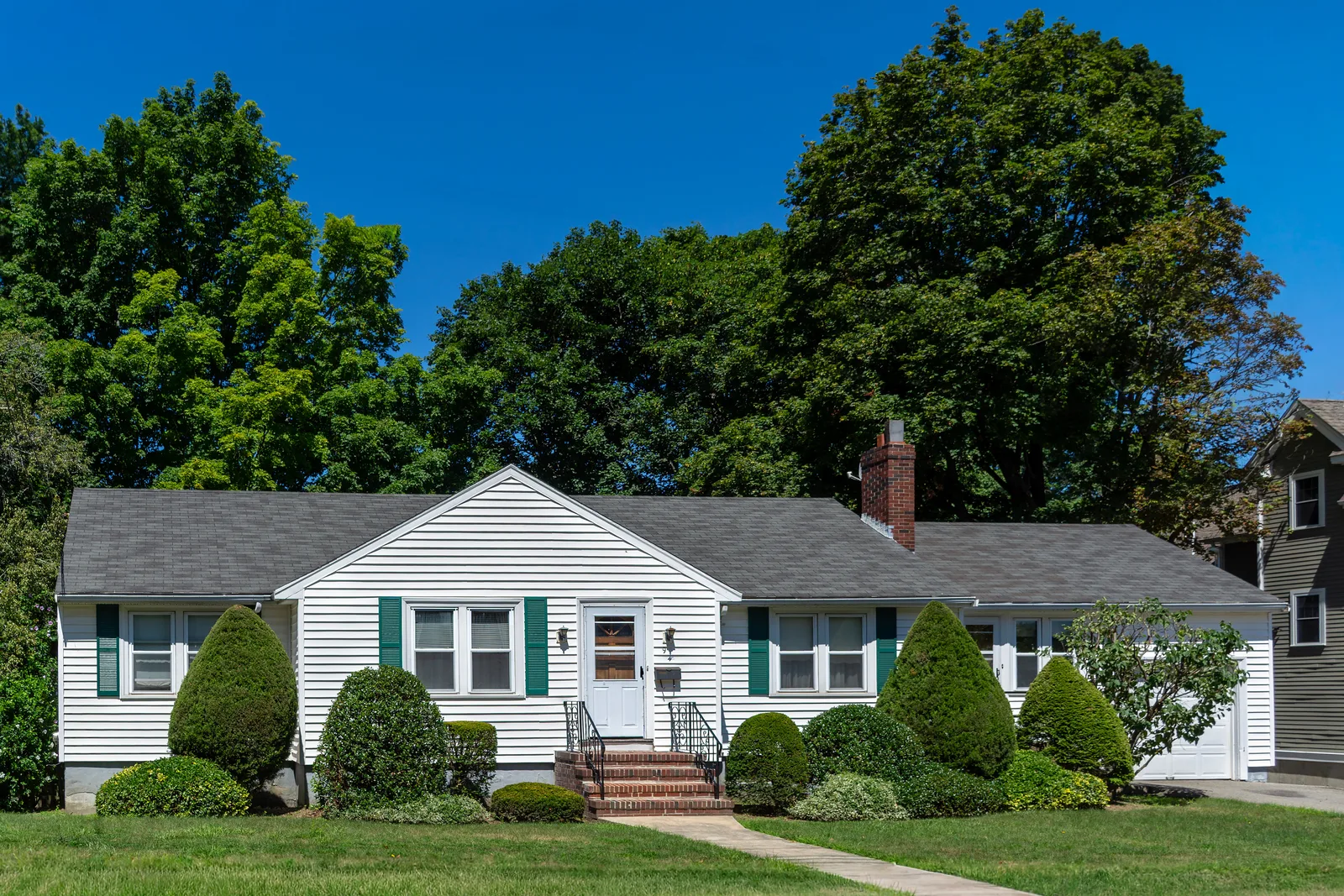
Rain enters through a break in the weather barrier, but the ceiling mark can be some distance from that break. We examine the roof area above it, nearby transitions and the condition of the material that a repair would join. Sealing over an opening without dealing with its failed detail leaves the same path ready to reopen.
Flashing repair addresses the joints at walls, chimneys and penetrations. Ventilation work addresses intake and exhaust balance, not a substitute for fixing rain entry. When damage extends through several areas, replacement belongs in the conversation alongside further repairs.
Replacement starts with removing the old covering under the agreed scope, checking the exposed deck and rebuilding the water-shedding layers. Valleys, eaves, wall connections and pipe penetrations need attention before the last row of shingles goes on.
Choose architectural or impact-rated shingles by the product and roof assembly, or explore metal where its appearance and detailing fit. Roof size, tear-off, access and deck work matter to the budget. The cost guide explains the assumptions behind a planning range and the physical conditions that move a job beyond it.
Covering, deck condition, flashing and ventilation belong in the same job.
Roof replacementArchitectural asphalt, tested impact products and metal bring different appearance and detailing choices.
Material choicesOn a low-slope building, a split seam, loose curb flashing and backed-up drain require different repairs. We consider the existing system and the moisture below it before treating the surface. A compatible TPO or EPDM repair protects the system connection; coatings are for a roof that is sound enough to restore.
The commercial pages explain those options separately so building owners can see the limits of each. Tell us about active leaks, occupied spaces, rooftop equipment and access when you request the roof walk.
TPO and EPDM repairs need compatible materials and system-specific connections.
Coatings need a sound, prepared roof and addressed moisture.
Get help with a roof leak, loose shingles or a failed flashing joint. A free inspection helps locate the failure and define a repair that connects to sound roofing.
Replace a worn roof with the covering, flashing and underlying details planned together. Start with a free roof-walk inspection and a clear look at the options.
Start with a free roof inspection to understand a leak, worn covering or a replacement question.
Get the roof checked after wind, hail or a storm-related leak. Repair scope starts with what happened to the roof.
Water coming inside or a damaged opening needs a clear next step. Call and explain the active roof concern.
Explore architectural asphalt and impact-rated shingle options with the roof system planned beneath them.
Discuss metal roof replacement and repair with the panel, fastening and flashing details matched to the roof.
Check intake and exhaust together when roof replacement or a moisture concern raises a ventilation question.
Repair the joints at walls, chimneys and roof penetrations so water returns to the roof surface.
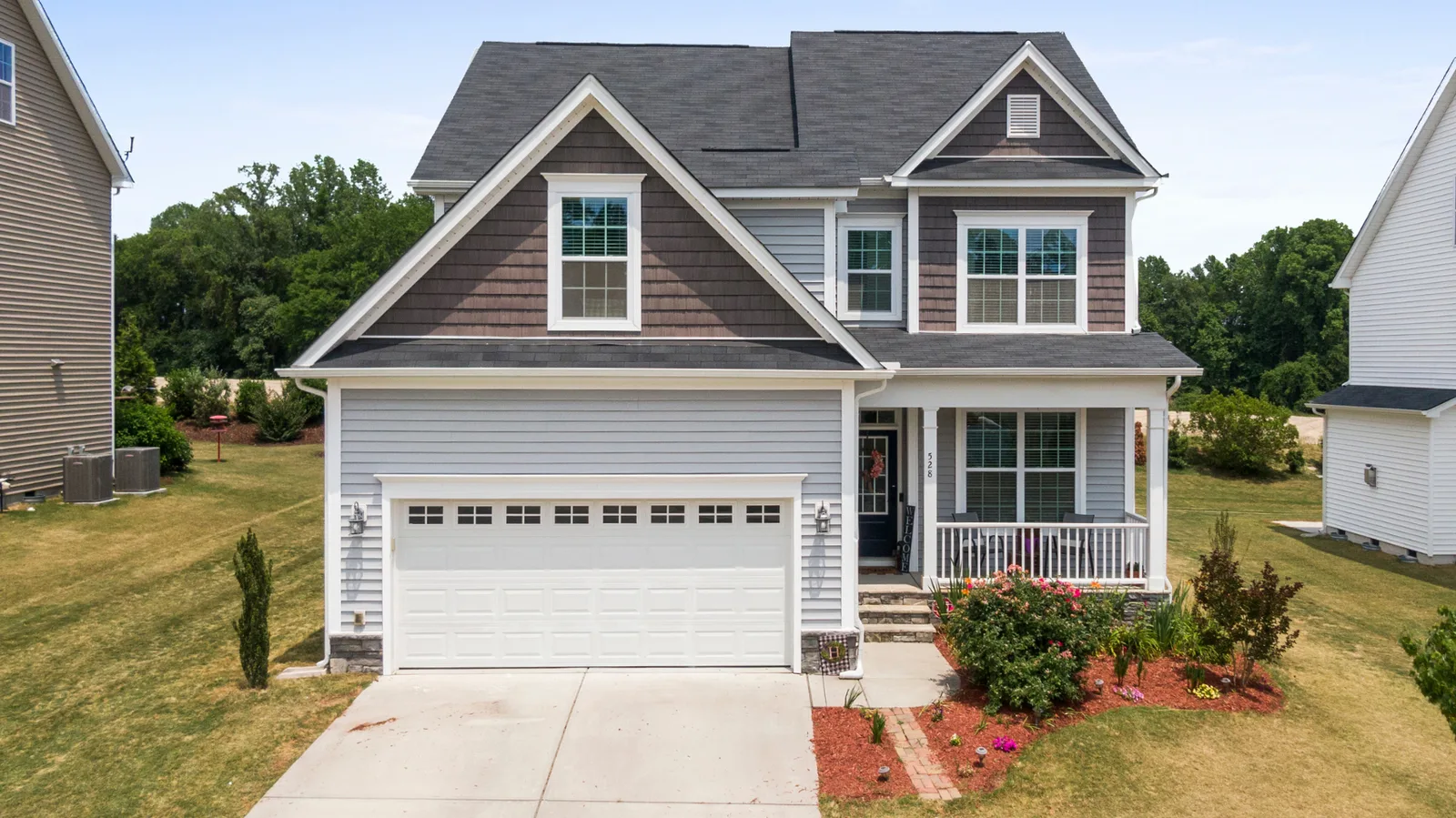
If you are unsure which service fits, describe the concern. We can start with a free roof inspection and explain the work it points to.