Wind damage
Lifting and creasing can compromise shingle connections. The surrounding material has to support a compatible repair.

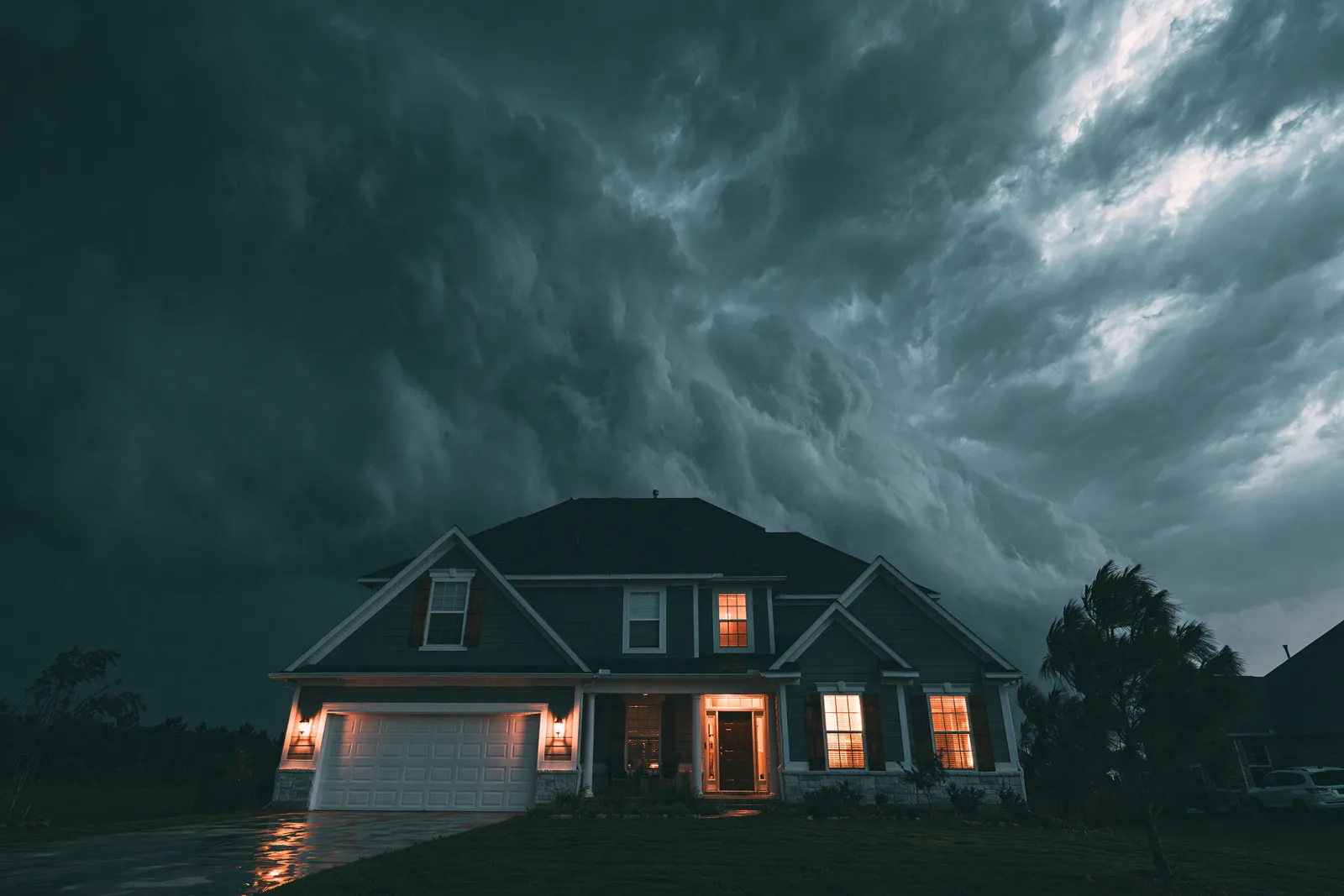
Separate roof findings, repair decisions and insurance coverage after a storm.
After wind or hail, start with safety and the roof condition. Keep away from a damaged roof edge, fallen limbs, sagging ceilings and wet electrical fixtures. If water is entering, call and say it is an active leak. Safe photos taken from the ground and the approximate storm date are useful context if they are already available.
Shingle damage, failed flashing and punctures need an actual roof assessment. A nearby storm report is not proof that the property was damaged, and an inspection does not date every mark to a particular event. Repair scope comes from the findings and the material around them.
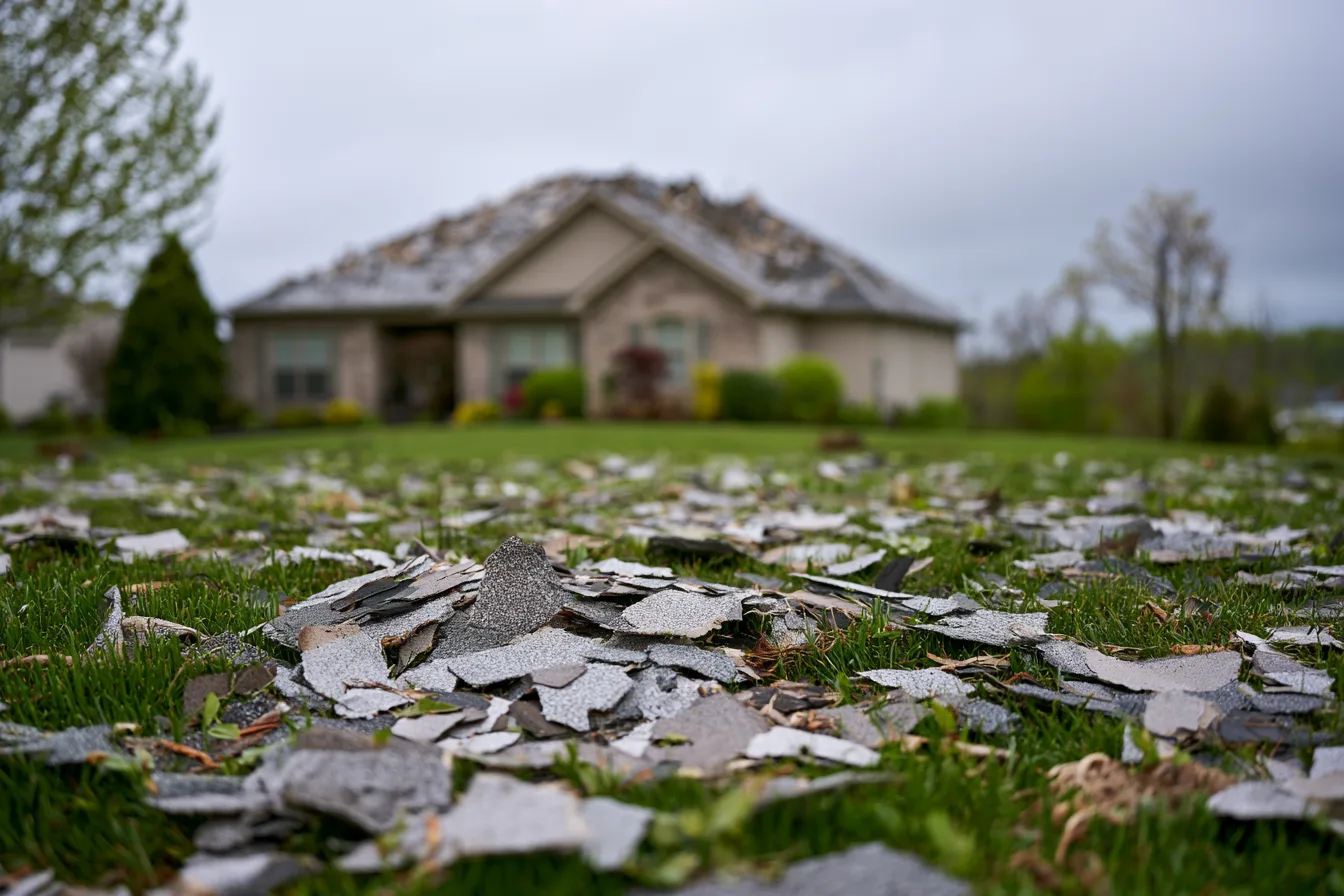
A limited failure with sound surrounding roofing supports a focused repair. Widespread damaged covering or underlying deterioration changes the replacement question.
Lifting and creasing can compromise shingle connections. The surrounding material has to support a compatible repair.
Damage can affect the covering or roof details. Surface marks have to be interpreted with the actual product and roof condition.
The insurer decides coverage under the actual policy, including applicable deductibles and terms. Roofing work can be explained without promising claim approval, a payment amount or a waived deductible.
Use the guidance to narrow the question, then let the roof inspection establish the condition. A free roof walk connects those choices to the actual work.