Residential roof inspection
Use a free inspection to understand visible roof condition and the next useful work.
Roof inspection help
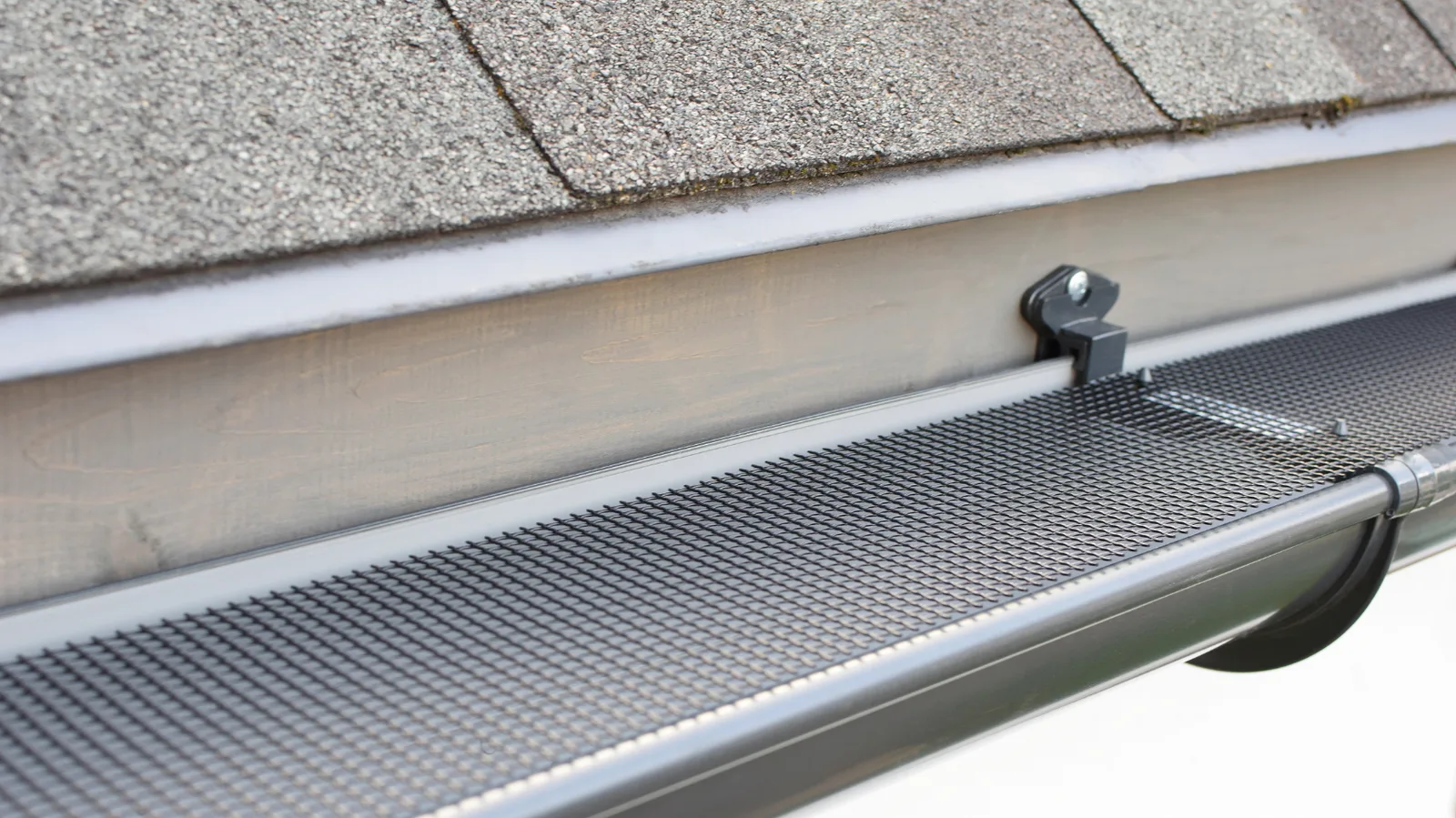
Keep drainage and roof connections in view before a small failure becomes water inside.
Roof maintenance starts with keeping water moving off the roof and addressing deteriorated connections. Debris in a valley or blocked drainage can hold water near an otherwise limited opening. Loose flashing, a split pipe boot or damaged covering gives that water a route underneath.
A roof walk helps distinguish a serviceable detail from one that needs repair. Maintenance cannot restore shingles that no longer accept a sound connection or make wet decking sound. Where deterioration is broad, replacement planning is more useful than repeatedly sealing the surface.
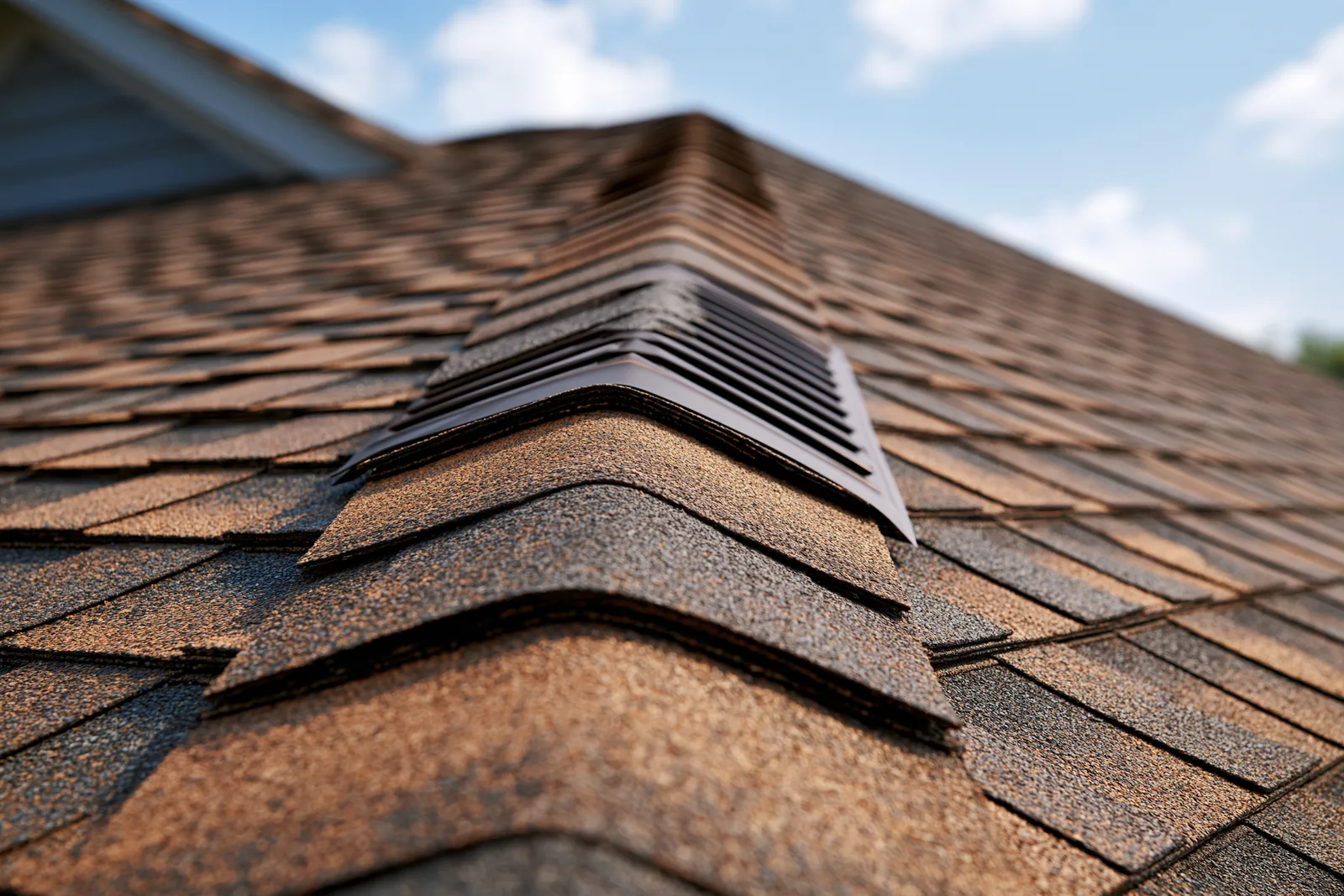
The work should match the covering and the roof configuration. Do not climb onto the roof to clear a blocked detail yourself.
A steep-slope shingle roof and a low-slope membrane roof need different materials and repair methods. On commercial roofs, the plan also accounts for equipment access, curbs and drains.
Use a free inspection to understand visible roof condition and the next useful work.
Roof inspection helpConsider the membrane, drainage and underlying moisture with building operations.
Commercial repair help
Use the guidance to narrow the question, then let the roof inspection establish the condition. A free roof walk connects those choices to the actual work.